

Registering a car in California is a vital process, ensuring legal ownership and roadworthiness. However, navigating the bureaucratic landscape can be daunting for new vehicle owners. This comprehensive guide aims to demystify the process, empowering folks to confidently take on this essential task. We’ll break down each step, emphasizing accurate documentation and the critical role of VIN verification in ensuring a legitimate registration. By the end, you’ll possess the knowledge to smoothly register your vehicle, leaving no room for error.
- Prepare Necessary Documents for Car Registration in California
- Visit Your Local DMV: A Step-by-Step Guide
- Understand Fees and Payment Options for Vehicle Registration
- VIN Verification: How to Check and Ensure Vehicle Authenticity
- Obtain Insurance and Register Your Vehicle Online (Optional)
Prepare Necessary Documents for Car Registration in California

Before you can register your car in California, ensuring all necessary documents are prepared is crucial. This process requires a meticulous review of critical paperwork, including proof of ownership, vehicle identification number (VIN) verification, and relevant insurance information. One essential step, often overlooked, is utilizing a mobile VIN verifier to confirm the vehicle’s history, which can be done remotely and efficiently. This technology allows for a comprehensive VIN inspection, providing key insights into the car’s past, including accident reports, odometer readings, and maintenance records.
For instance, consider a scenario where a prospective owner purchases a used vehicle from out of state. Traditionally, this might involve waiting for physical documents to arrive, potentially leading to delays in registration. However, with a mobile VIN verifier app, the buyer can quickly and accurately verify the car’s history without leaving home. This is particularly valuable given that California’s Department of Motor Vehicles (DMV) emphasizes the importance of accurate information, stating that “providing false or misleading information during vehicle registration can result in severe penalties.”
During document preparation, ensure that all forms are filled out correctly and accurately. The DMV provides a comprehensive list of required documents, which includes proof of identity, proof of residency, and a completed Application for Title and Registration (Form DMV-123). Additionally, for vehicles with liens, specific documentation from the lienholder is necessary. It’s advisable to double-check each item against California’s specific requirements to avoid any registration delays or issues.
Visit Your Local DMV: A Step-by-Step Guide
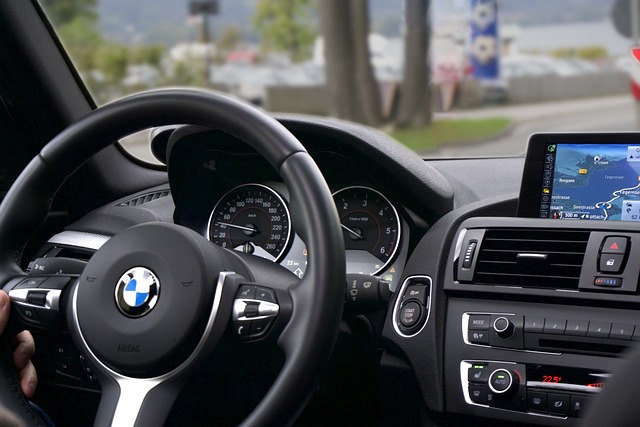
Visiting your local DMV is a crucial step in registering your car in California. Before you begin, ensure all necessary documents are gathered, including proof of insurance, vehicle ownership history, and identification. Once prepared, head to your closest Department of Motor Vehicles (DMV) office. Here’s a step-by-step guide to navigate this process smoothly.
Upon arrival, locate the dedicated window for vehicle registration. A DMV representative will assist you in filling out the required forms, which involve detailing vehicle information and personal data. One vital aspect is accurately recording your Vehicle Identification Number (VIN). This unique code can be verified using a mobile VIN verifier or through traditional methods by checking the vehicle’s frame, usually found near the steering wheel. Accurate VIN verification is essential for ensuring the car’s history aligns with its current condition and ownership.
Next, you’ll need to pay the registration fee. Fees vary based on factors like the type of vehicle and emissions standards met. After processing, your DMV representative will provide you with a registration card and any necessary stickers or tags. Before leaving, double-check all documents for accuracy, especially the VIN, as it’s critical for future reference and mobile VIN inspections. Regularly updating your vehicle’s information, including through mobile VIN verification services, is crucial for maintaining compliance with California’s stringent vehicle regulations.
Understand Fees and Payment Options for Vehicle Registration

Registering a car in California involves several steps, with understanding fees and payment options being a crucial part of the process. The California Department of Motor Vehicles (DMV) charges various fees based on factors like vehicle type, age, and emissions status. For instance, as of 2023, the base registration fee for most cars ranges from $51 to $146, with additional costs for optional services or special plates.
One practical insight worth noting is that you can often reduce fees by opting for a longer registration period. While annual registration is the default, choosing a multi-year option can save you money in the long run. Additionally, some low-emission vehicles may qualify for reduced fees or rebates, so checking with the DMV or using online tools to verify these qualifications is advisable.
To streamline the process and ensure accuracy during vehicle registration, consider utilizing mobile VIN inspection services. These services allow for remote verification of a vehicle’s identity through its unique VIN (Vehicle Identification Number). For example, many mobile VIN verifiers can connect directly with the DMV to confirm vehicle history, ensuring that all documents are in order before you schedule your registration appointment. This not only saves time but also enhances the overall accuracy of the registration process.
When paying for vehicle registration, California offers several payment options, including online payments, checks, and cash. Online payments through the official DMV website are preferred due to their convenience and speed. However, for those who prefer a more traditional approach, bringing a personal check or cash to your appointment is acceptable. Ensure that you have all necessary documentation, such as proof of insurance and vehicle ownership, to avoid any delays during the registration process.
VIN Verification: How to Check and Ensure Vehicle Authenticity
Vehicle identification number (VIN) verification is a crucial step in registering your car in California. This process ensures the authenticity of your vehicle and protects you from potential fraud or theft. A unique 17-character VIN serves as the digital fingerprint of your car, providing detailed information about its manufacture, history, and specifications. To check and ensure vehicle authenticity, consider performing a mobile VIN inspection or verification service. These services allow you to verify critical details like engine type, mileage, and any reported accidents or outstanding recalls directly from your smartphone or computer.
In California, it’s essential to keep records of all maintenance, repairs, and ownership changes, as these can impact the vehicle’s VIN history. A simple online search using official DMV resources can reveal a car’s past, including its previous owners and service records. This transparency is critical in identifying potential issues or discrepancies that might indicate fraud. For instance, data shows that up to 15% of vehicles with altered VINs are involved in illegal activities, making proactive VIN verification essential for both buyers and sellers.
If you’re planning a mobile vin inspection, ensure you use reputable services that comply with California’s vehicle registration standards. These professionals will cross-reference your vehicle data against official databases to provide an accurate report. Regularly performing such checks can help maintain the integrity of your car’s records and safeguard you from unforeseen legal complications during future registration processes. By staying proactive with VIN verification, California residents can confidently navigate their vehicle registration procedures, ensuring a seamless and legitimate experience.
Obtain Insurance and Register Your Vehicle Online (Optional)

Registering a car in California involves several steps, and one crucial aspect is obtaining insurance before you can finalize the registration process. This ensures that your vehicle is legally covered during operation on California roads. Once insured, you have the option to register your vehicle online, streamlining the administrative procedures. This digital approach, available through the California Department of Motor Vehicles (DMV), allows for convenient and time-saving vin verification, where a mobile vin verifier or app can assist in confirming your vehicle’s identity using its unique Vehicle Identification Number (VIN).
Online registration offers significant advantages, including reduced wait times at DMV offices. It also eliminates the need for gathering physical documents, making it a more efficient process for both residents and non-residents temporarily based in California. During online registration, you’ll be prompted to enter your VIN multiple times—a critical step that ensures the accuracy of your vehicle’s information. This includes details about the make, model, year, and other specifications that are cross-referenced with state records for verification.
While optional, utilizing a mobile vin verifier app can enhance this process. These apps provide a simple, on-the-go solution to perform a VIN inspection, ensuring your vehicle’s history is up-to-date and accurate. This is particularly beneficial if you’re in a rush or prefer the convenience of completing these tasks from your smartphone. By embracing digital tools like mobile vin verification, California drivers can ensure their registration process is smooth, efficient, and secure.
By meticulously preparing your documents, visiting the DMV, understanding fees, ensuring VIN verification, and optionally registering online or obtaining insurance, you can successfully register your car in California. These steps, detailed in this comprehensive guide, empower you to navigate the process efficiently and ensure your vehicle’s authenticity. VIN verification is a crucial step that guarantees the vehicle’s history and safety, offering peace of mind. Leveraging this knowledge, you’re now equipped to handle car registration with confidence, adhering to California’s requirements while protecting your investment.