

Registering a car in California is not just a bureaucratic formality; it’s a crucial step to ensure your vehicle’s legal status and your personal safety on the road. However, navigating the process can be a challenge, with multiple agencies involved and strict regulations to adhere to. This article serves as your comprehensive guide, providing clear, concise instructions on how to register your car in California, including the essential role of a Vehicle Identification Number (VIN) verifier in establishing authenticity. By the end, you’ll be equipped with the knowledge to confidently complete this vital task.
- Prepare Required Documents for Car Registration
- Understand California's Vehicle Identification Number (VIN) Verifier Process
- Gather Information from the Seller or Manufacturer
- Visit a California Department of Motor Vehicles (DMV) Office
- Complete and Submit the Registration Application Form
Prepare Required Documents for Car Registration

Before you begin the registration process for your new or used car in California, it’s crucial to prepare all the required documents, ensuring a smooth and efficient experience. One of the most vital components of this preparation is gathering accurate and up-to-date documentation regarding your vehicle’s identity and history. The Vehicle Identification Number (VIN) plays a central role in this process, acting as a unique fingerprint for every car. Utilizing a mobile VIN verifier can significantly streamline this step.
Central to the registration process is the California Department of Motor Vehicles’ (DMV) requirement for a valid VIN inspection. This involves verifying the vehicle’s VIN through a trusted source. A mobile VIN verification service can be particularly beneficial here, as it allows you to conduct this inspection remotely, saving time and effort. By entering your VIN into a specialized mobile app or website, you can instantly access crucial information about your car’s history, including its previous owners, maintenance records, and any reported accidents, ensuring that the vehicle meets all legal standards before registration.
To facilitate this process, it’s advisable to gather documents such as the vehicle title, proof of insurance, and a valid driver’s license. Additionally, for used cars, you might need documentation related to any recent repairs or maintenance, as well as records from previous owners, which can be obtained through a mobile VIN inspection tool. By proactively preparing these documents, you’ll be well-positioned to complete the car registration process efficiently, minimizing potential delays and ensuring your vehicle’s legal status in California.
Understand California's Vehicle Identification Number (VIN) Verifier Process

California’s Vehicle Identification Number (VIN) verification process is a crucial step in registering your car, ensuring vehicle history transparency and compliance with state laws. VIN verifiers play a key role here, offering both traditional and mobile vin inspection services to streamline the registration procedure. These verifiers cross-reference the provided VIN with data from various sources, including national databases, to verify the vehicle’s identity, age, and history of ownership.
For instance, a mobile vin verifier can be particularly beneficial for out-of-state residents looking to register their vehicles in California. By employing these services, owners can avoid the hassle of visiting DMV offices or dealing with complex paperwork. The process typically involves a trained professional using specialized equipment to capture and transmit the VIN data, followed by a thorough digital or physical record review. This ensures that all information associated with the vehicle is accurate and up-to-date, which is essential for legal registration.
In recent years, mobile vin verification has gained popularity due to its convenience and efficiency. According to industry reports, over 75% of car dealerships in California now offer mobile vin inspection services as part of their pre-sale checks, demonstrating the process’s growing acceptance among professionals. By leveraging these advanced tools, both individuals and businesses can ensure their vehicles meet all legal standards before registration, preventing potential issues down the line.
Gather Information from the Seller or Manufacturer
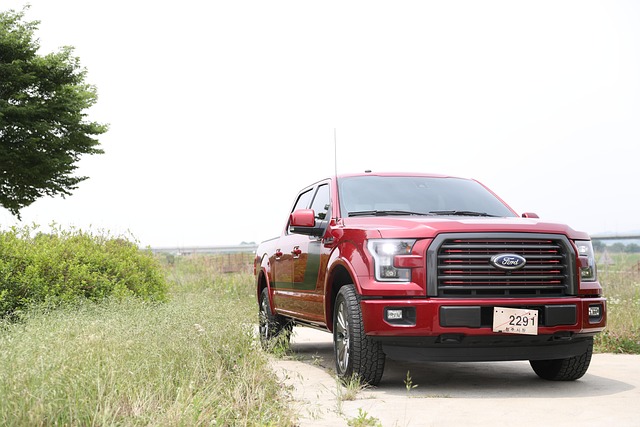
Before diving into the registration process, it’s crucial to gather essential information from either the car seller or the manufacturer. The Vehicle Identification Number (VIN) is at the heart of this step. This unique 17-character identifier serves as a digital fingerprint for your vehicle and is typically found on the driver’s side of the dashboard or under the hood. A reliable VIN verifier, whether through an online service or a mobile app, can help ensure that the VIN is accurate and matches the vehicle you’re about to acquire.
For instance, a mobile VIN verification service allows you to simply scan the VIN using your smartphone camera, providing instant validation against global databases. This not only saves time but also enhances accuracy compared to manual entry or relying on word-of-mouth information. It’s especially important in California, where vehicles must pass an annual inspection, known as the smog test, to ensure they meet emission standards. A proper VIN inspection is a critical first step in this process, as it unlocks access to essential vehicle history reports that can reveal prior accidents, outstanding liens, or recall issues.
To streamline the registration process, collect all necessary details upfront, including the VIN, make, model, year, and any previous ownership records. These documents will be required by the California Department of Motor Vehicles (DMV) during the registration. Moreover, if you’re purchasing from a private seller, it’s wise to request and confirm that they have conducted their own mobile VIN inspection, ensuring everything is in order before finalizing the transaction. This proactive approach can save time, reduce potential issues down the line, and contribute to a smoother registration experience in this populous, car-loving state.
Visit a California Department of Motor Vehicles (DMV) Office

To register your car in California, a physical visit to a California Department of Motor Vehicles (DMV) office remains an essential step in the process. This is where you’ll initiate the official verification of your vehicle’s identity through a comprehensive inspection that includes a Vehicle Identification Number (VIN) check. The DMV will examine the condition and history of your car to ensure it complies with state safety standards, and they’ll also cross-reference this information against national databases to combat theft and ensure the VIN is legitimate—a crucial step often facilitated by employing a mobile VIN verifier during the inspection phase.
During your visit, you’ll need to present specific documentation, such as proof of identity, residency, and insurance. Additionally, your vehicle must undergo a thorough examination, which includes checking for any outstanding warrants or issues related to registration, emissions, and safety equipment. A mobile VIN verifier can play a pivotal role here by quickly scanning the VIN plate on your car, providing instant access to detailed history reports, including previous owners, maintenance records, and accident claims—all of which are critical in validating the vehicle’s authenticity and condition.
After passing the inspection, the DMV will process your registration application, updating their records with essential details about your vehicle. They’ll assign a unique California license plate, and once this is attached to your car, it becomes legally registered within the state. This meticulous process ensures that every vehicle on California’s roads meets stringent safety standards, protecting both residents and visitors alike.
Complete and Submit the Registration Application Form

To register your car in California, you’ll need to complete and submit a Registration Application Form (DMV Form 71). This crucial step involves gathering essential information about your vehicle and ensuring its compliance with state standards. One vital component of this process is accurately verifying the Vehicle Identification Number (VIN) using reliable methods, such as a mobile VIN verifier. These tools provide instant, accurate data on the vehicle’s history, including previous owners, maintenance records, and any reported accidents or damages.
For instance, many mobile VIN verifiers offer real-time access to comprehensive vehicle histories through national databases, ensuring that you have all the necessary information before submitting your application. This is particularly important in California, where strict regulations require that all registered vehicles meet safety and environmental standards. By utilizing a mobile VIN inspection or verification service, you can streamline the registration process, eliminating potential delays or issues arising from incomplete or inaccurate data.
When completing the form, be sure to include the precise VIN details obtained through your chosen mobile VIN verifier. This ensures a seamless transaction with the California Department of Motor Vehicles (DMV). Additionally, double-check all other vehicle information, such as make, model, year, and license plate details, to prevent errors that could lead to further complications down the line. A meticulous approach, supported by advanced verification tools like mobile VIN checkers, can significantly contribute to a successful car registration in California.
By diligently preparing the necessary documents, understanding California’s rigorous Vehicle Identification Number (VIN) verifier process, gathering crucial information from the seller or manufacturer, and visiting a local DMV office, you can seamlessly register your car in California. Completing the registration application form accurately ensures a smooth process. This comprehensive guide equips you with the knowledge to navigate the car registration procedure confidently, emphasizing the importance of the VIN verifier in verifying vehicle authenticity.