

Registering a car in California is not just a bureaucratic formality; it’s a crucial step to ensure your vehicle is legally recognized on the state’s roads. However, navigating the process can be challenging, with its unique requirements and paperwork. This article serves as your comprehensive guide, empowering you to smoothly navigate the registration journey. We’ll break down each step, emphasizing the importance of accurate information, especially during the Vehicle Identification Number (VIN) verification process. By the end, you’ll be well-equipped to register your vehicle efficiently and with confidence.
- Prepare Necessary Documents for Car Registration
- Understand California's Vehicle Identification Number (VIN) Verification Process
- Visit a California Department of Motor Vehicles (DMV) Office
- Complete the Car Registration Application Form Accurately
- Pay the Required Fees and Receive Your Registration Papers
Prepare Necessary Documents for Car Registration

Before you can register your car in California, you’ll need to gather and prepare a series of crucial documents. This process is an essential step in ensuring your vehicle complies with state regulations and can help prevent potential issues down the line. One critical aspect that often gets overlooked is proper Vehicle Identification Number (VIN) verification.
For example, when conducting a mobile VIN inspection or using a trusted mobile vin verifier, you’re not just checking for basic vehicle information—you’re confirming the car’s authenticity and history. This is particularly important in California, where vehicles must meet stringent emission standards and safety regulations. A simple yet comprehensive VIN inspection can reveal hidden issues, such as odometer rollback or undisclosed damage, which are red flags that should prompt further investigation before registration.
Additionally, ensure you have all the required paperwork, including the title (if applicable), registration documents from a previous state (if the car was registered elsewhere), and proof of insurance. It’s also beneficial to gather maintenance records and any documentation related to recent repairs or modifications made to the vehicle. These documents not only streamline the registration process but also provide valuable insights into the car’s history, enabling you to make informed decisions as a responsible owner.
Understand California's Vehicle Identification Number (VIN) Verification Process

In California, registering a car involves more than just filling out paperwork; it requires verifying your vehicle’s identity through its unique Vehicle Identification Number (VIN). This process is designed to ensure that each vehicle on California’s roads has been accurately identified and documented. VIN verification acts as a crucial step in the registration procedure, providing an additional layer of security against fraud and ensuring only legitimate vehicles are authorized for use.
For instance, the California Department of Motor Vehicles (DMV) uses the VIN to access detailed information about the vehicle, including its make, model, year, and specific features. This data is then cross-referenced with the documents provided by the owner during registration. By employing mobile VIN inspection or verification services, the DMV can efficiently validate a car’s identity, even if it’s being registered at a remote location. This flexibility, offered through innovations like mobile VIN inspections, streamlines the registration process and caters to modern lifestyles, ensuring that folks across California can conveniently complete their vehicle registrations.
Notably, California law mandates that vehicles must undergo VIN verification as part of the registration process. This requirement is in place to combat identity theft and ensure the integrity of vehicle records. While it might sound like an added hassle, mobile VIN inspection services make this process convenient for owners. These services send a trained professional to conduct the VIN verification right at your location, saving you time and effort. It’s recommended that California residents familiarise themselves with this process and consider mobile VIN verification options to ensure a smooth registration experience.
Visit a California Department of Motor Vehicles (DMV) Office
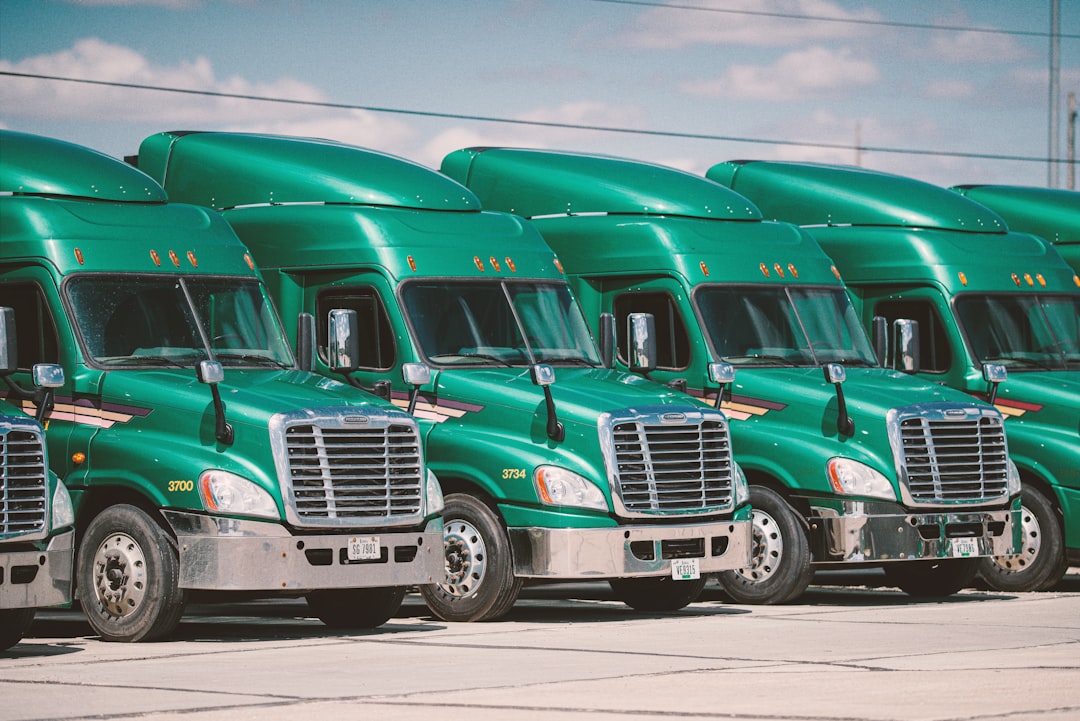
To register your car in California, you’ll need to visit a local California Department of Motor Vehicles (DMV) office. This crucial step involves verifying your vehicle’s identity through a process known as VIN verification, ensuring that your car is safe and meets all legal standards before it can be registered and licensed for road use. The DMV offers various services, including mobile VIN verification, to make this process more convenient for California residents.
When you arrive at the DMV, you’ll need to provide specific documents related to your vehicle, such as proof of ownership and insurance. Additionally, the inspection includes a detailed examination of your car’s history, focusing on safety and environmental standards. For instance, the DMV will check if the vehicle has passed the required emissions test and if its safety features, like brakes and lights, are functioning correctly. This comprehensive approach ensures that registered vehicles on California roads meet the state’s stringent safety and environmental regulations.
One practical insight to keep in mind is that mobile VIN verification services can be a significant time-saver. These services allow you to get your car inspected at a location convenient for you, whether it’s at your home or office. This option is particularly beneficial if you’re short on time or have difficulty visiting the DMV in person. Moreover, utilizing these modern tools doesn’t compromise accuracy; they provide an efficient and reliable way to complete the VIN inspection process, ensuring that your car registration proceeds smoothly.
Complete the Car Registration Application Form Accurately
Completing the Car Registration Application Form accurately is a crucial step in the registration process in California. This form, known as the DV304 (Application for Title and Registration), requires meticulous attention to detail. Ensure that all information provided matches the vehicle’s specifications precisely. An error or discrepancy could delay your registration, so double-checking your work is essential. One critical field is the Vehicle Identification Number (VIN) verification. This unique 17-character code is used globally to identify individual vehicles and can be easily verified through a mobile VIN inspection or a reliable online verifier. California offers the option of conducting this check remotely, saving you a trip to a DMV office.
For instance, if you’re registering a classic car that has undergone extensive restoration, accurately documenting its history and components is vital. In such cases, a mobile VIN verifier can be particularly useful. These tools allow you to confirm the vehicle’s make, model, year, and other critical attributes from your smartphone or computer, ensuring accuracy and peace of mind. According to recent DMV data, over 90% of successful registration applications in California included correctly entered VINS, highlighting the importance of this step.
Remember, incomplete or incorrect forms can lead to delays or rejections. Take the time to gather all necessary documents and ensure every field is filled with valid information. This proactive approach will streamline the registration process and help you avoid potential issues down the road.
Pay the Required Fees and Receive Your Registration Papers
Registering a car in California involves several steps, but paying the required fees and receiving your registration papers is a crucial phase. After gathering all necessary documents, including proof of ownership, insurance, and identification, you’ll need to visit the California Department of Motor Vehicles (DMV) or use their online services. The next step is to pay the registration fee, which varies based on vehicle type and emissions status. For example, as of 2023, a standard car with no special emissions considerations typically pays around $50.
One key aspect of this process involves VIN (Vehicle Identification Number) verification. It’s essential to ensure the VIN is accurate and matches the vehicle you’re registering. This can be done easily through a mobile VIN verifier or during a VIN inspection at authorized locations, which offers added convenience and peace of mind. For instance, many mobile VIN verification services allow you to complete this step right from your smartphone, streamlining the entire registration process.
Upon successful VIN verification and fee payment, the DMV will issue your registration papers. These documents, which include a Certificate of Registration and a Vehicle Identification Number (VIN) Sticker, should be displayed on your vehicle as required by California law. It’s crucial to keep these documents updated and accessible to avoid any legal issues or penalties. Remember, proper documentation and accurate VIN verification are integral parts of the registration process that ensure your vehicle is legally registered and ready for road use in California.
By meticulously preparing the necessary documents, understanding California’s stringent Vehicle Identification Number (VIN) verification process, accurately completing the DMV registration form, and securely paying the required fees, individuals can successfully register their vehicles in California. This streamlined approach, backed by thorough knowledge of each step, ensures a smooth and efficient car registration experience. The VIN verification process serves as a critical component, guaranteeing that only legitimate vehicles with proper documentation are added to the state’s records. Embracing these steps not only facilitates timely registration but also reinforces California’s commitment to maintaining accurate vehicle records, enhancing road safety for all.