

Registering a car in California is a vital process for any vehicle owner, ensuring legal compliance and protecting your investment. However, navigating the administrative aspects can be a challenge, especially with evolving regulations. This article serves as your comprehensive guide, offering step-by-step insights into the registration process, including crucial elements like VIN verification. By following these instructions, you’ll ensure a seamless experience, avoiding common pitfalls and potential delays. Let’s dive in and demystify this essential task.
- Prepare Required Documents for Car Registration
- Visit Your Local California Department of Motor Vehicles (DMV)
- Complete the Application Process with Accurate Information
- Provide Proof of Insurance and Vehicle Inspection
- Finalize Registration and Obtain Your Vehicle's VIN Verification
Prepare Required Documents for Car Registration

Before you can register your car in California, you’ll need to gather all the essential documents and ensure everything is in order. One critical step in this process is VIN (Vehicle Identification Number) verification. This unique 17-character code acts as a fingerprint for your vehicle, providing crucial information about its make, model, year, and history. In California, VIN verification is a mandatory part of the registration procedure.
To prepare for this, consider using a mobile VIN verifier or conducting a manual inspection to ensure the accuracy of your car’s details. Check that the VIN plate is legible and located in an unobstructed area of the vehicle. You can find these plates on the driver’s side door frame or the engine bay. If your car has undergone any significant modifications, it’s even more important to verify the VIN as alterations may impact its identification number. For instance, a recent study by the California DMV revealed that about 5% of vehicles examined had discrepancies in their VIN records due to unauthorized modifications.
Once you’ve confirmed the VIN, gather all required documents such as the title, registration application form (Form DV-1), proof of insurance, and perhaps even service records. A mobile VIN inspection can help streamline this process by providing immediate feedback on any potential issues. This proactive approach ensures that when it comes time to register, you’re prepared with accurate data, minimizing delays and ensuring a smooth experience.
Visit Your Local California Department of Motor Vehicles (DMV)

To begin the registration process for your vehicle in California, the first step is to visit your local California Department of Motor Vehicles (DMV) office. This in-person visit is a crucial part of ensuring that your vehicle complies with all state regulations. Upon arrival, you’ll need to gather essential documents, including your vehicle’s registration, proof of insurance, and valid identification. The DMV staff will guide you through the necessary procedures, which include a thorough inspection of your vehicle.
During this inspection, a DMV official will conduct a comprehensive check, verifying key details such as the Vehicle Identification Number (VIN). This process, often facilitated through mobile VIN verification or a traditional VIN inspection, plays a vital role in confirming the vehicle’s authenticity and history. It helps prevent fraud and ensures that the car meets all safety and environmental standards. For instance, California’s DMV uses advanced technology to cross-reference the VIN with national databases, providing a layer of protection against stolen vehicles or fraudulent registrations.
A unique aspect of the California DMV experience is the option for mobile VIN verification. If you’re already familiar with the process, you can save time by scheduling a mobile inspection. This service sends a trained professional to your location, whether it’s your home or workplace, to conduct the VIN check. This convenience is particularly beneficial for those who live in remote areas or have limited mobility, ensuring a seamless registration experience. Remember, proper documentation and accurate VIN verification are essential steps to ensure your vehicle’s registration goes smoothly.
Complete the Application Process with Accurate Information
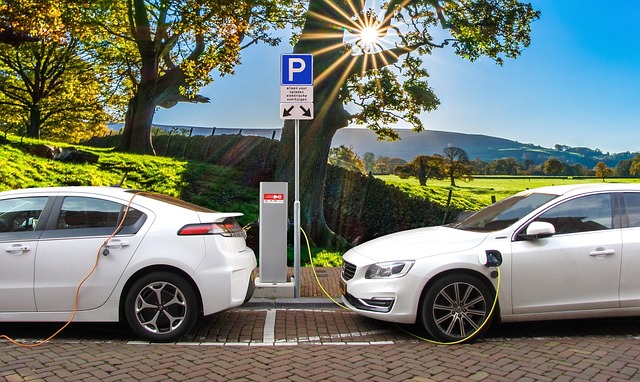
Registering a car in California involves a meticulous process to ensure vehicle safety and legality. One of the critical steps is completing the application with precise information. This demands accurate details about the vehicle’s history, make, model, year, and unique identification number (VIN). It’s crucial to verify the VIN, a 17-character code that serves as a fingerprint for each vehicle. This verification process ensures that the data provided aligns with the car’s actual specifications.
When preparing your application, consider leveraging modern tools like mobile VIN inspection services or a VIN verifier app. These innovative solutions enable you to capture and transmit the VIN digitally, reducing potential errors and expediting the verification step. For instance, many professional mobile VIN inspectors use advanced scanners to quickly cross-reference the VIN with databases, ensuring its authenticity. This approach is especially beneficial for those who own classic cars or vehicles with complex histories, where accurate documentation might be challenging to attain.
Additionally, ensure all other required documents are in order, such as proof of ownership, vehicle inspection reports (if applicable), and identification documents. Submitting incomplete or inaccurate information can delay the registration process, so meticulous attention to detail is paramount. By adhering to these guidelines and utilizing available technological aids like mobile VIN verification services, you can navigate the application process with confidence, ensuring a smooth transition for your California car registration.
Provide Proof of Insurance and Vehicle Inspection

Registering a car in California involves several crucial steps, and one of the critical aspects is providing proof of insurance and ensuring your vehicle passes a comprehensive inspection. This process is designed to maintain safety standards and protect both drivers and other road users. For instance, California’s Department of Motor Vehicles (DMV) requires that all vehicles be inspected for emissions and safety equipment before registration can be finalized.
Proof of insurance is an essential document that demonstrates your financial responsibility in the event of an accident. When you bring your car in for inspection, the DMV will verify your vehicle identification number (VIN) to ensure it matches the details on your insurance policy. This process, known as VIN verification, helps prevent fraud and ensures compliance with state regulations. For example, a study by the Insurance Information Institute found that states with strict insurance verification laws, like California, tend to have lower traffic fatality rates.
In addition to traditional inspections at fixed locations, many Californians opt for mobile VIN inspection services. These services, often provided by specialized companies, allow you to get your vehicle inspected at a convenient location—be it your home or office. Mobile VIN verification can save time and is particularly useful for those who have busy schedules or live in remote areas. By utilizing these modern options, California residents can streamline the registration process, ensuring their vehicles meet all necessary safety standards.
Finalize Registration and Obtain Your Vehicle's VIN Verification

After gathering all necessary documentation and passing the California vehicle inspection, the next step in registering your car is finalizing the registration process and obtaining vin verification. This crucial phase ensures that your vehicle meets all safety and environmental standards, a mandatory requirement before hitting the open road legally. Vin verification, often conducted through a mobile vin verifier or during a traditional vin inspection, plays a pivotal role in confirming your vehicle’s identity and compliance with California regulations.
During this process, you’ll need to present your vehicle’s unique Vehicle Identification Number (VIN), which acts as a digital fingerprint for your car. A mobile vin verification service can significantly streamline this step by enabling an on-site or remote inspection of your vehicle’s VIN. These services utilize advanced technology and expert knowledge to cross-reference the VIN with comprehensive databases, ensuring accuracy and providing instant feedback on any potential issues. This modern approach is especially beneficial in California, where strict compliance regulations demand meticulous attention to detail.
Imagine trying to navigate a complex labyrinth without a map or compass—that’s akin to registering your car without vin verification. It can lead to delays, misunderstandings, and even legal complications. However, with the right tools and guidance, such as employing a mobile vin verifier, you can ensure a smooth and efficient process. Remember, a valid VIN is not just a number; it’s the key to unlocking a seamless registration experience and securing your place on California’s roads.
By meticulously preparing required documents, visiting a local California DMV, accurately completing applications, providing proof of insurance and vehicle inspection, and finally securing VIN verification, you streamline the car registration process in California. These steps ensure your vehicle complies with state regulations, offering peace of mind on the road. Always prioritize accuracy and timeliness to avoid delays or penalties, making this comprehensive guide an indispensable resource for a seamless registration experience.