

Registering a car in California is a vital process that ensures vehicle ownership rights and responsibilities are clearly established. However, navigating the administrative steps can be challenging for new owners, often involving extensive paperwork and potential delays. This article serves as your comprehensive guide, offering expert insights on every aspect of the registration process, including the crucial role of Vehicle Identification Number (VIN) verification in ensuring a smooth and legally sound transaction. By the end, you’ll possess the knowledge to confidently register your vehicle with ease.
- Understand California Car Registration Requirements
- Gather Necessary Documents for Vehicle Registration
- Choose an Appropriate Registration Class and Fee Payment
- Perform VIN Verification: A Crucial Step in the Process
- Submit Application and Receive Your California Registration Papers
Understand California Car Registration Requirements

Registering a car in California involves adhering to strict requirements designed to ensure vehicle safety and identify ownership. Before diving into the registration process, understanding these mandates is crucial. Every vehicle must undergo a thorough vin inspection to verify its authenticity and historical maintenance records. The Vehicle Identification Number (VIN) serves as a unique fingerprint for each car, facilitating accurate verification. In California, this verification process is often conducted through mobile VIN services, allowing for convenient and efficient checks from the comfort of your home or garage.
One key requirement involves ensuring the vehicle’s title is clear. This means checking for any outstanding loans or leases on the car. Lenders or lease companies typically require vehicles to be registered in their name until the debt is fully paid off. Additionally, California mandates a comprehensive safety inspection to ensure the car meets state-mandated standards. This inspection covers various components, including brakes, lights, tires, and emissions systems. Mobile VIN verification plays a significant role here, as it can simultaneously access historical service records and identify any outstanding safety recalls related to the vehicle.
Practical advice for navigating these requirements includes maintaining detailed service records and ensuring all paperwork is in order. Many mobile VIN inspection services offer convenient solutions, allowing you to verify your car’s history with just a few clicks. Keep in mind that California has strict penalties for unregistered vehicles, so prompt registration is essential. By understanding these requirements and leveraging available tools like mobile VIN verification, you can streamline the registration process and ensure your vehicle complies with all state mandates.
Gather Necessary Documents for Vehicle Registration

Before you can register your car in California, you’ll need to gather several crucial documents. This process is designed to ensure vehicle authenticity and safety, making it vital to have all necessary paperwork in order. Central to this is the Vehicle Identification Number (VIN) verification, which serves as a unique fingerprint for every vehicle. In California, this verification can be conducted through a mobile VIN inspection or service that offers remote VIN verification—a convenient option that saves time and effort.
For instance, many online platforms now provide this service, allowing you to simply enter your VIN to access detailed vehicle history information. This includes the car’s make, model, year, as well as any reported accidents or outstanding loans. Such a comprehensive check is essential for both buyers and sellers to ensure they’re not caught up in fraud or unknowingly purchasing a stolen vehicle. Moreover, having accurate records can expedite the registration process significantly.
In addition to VIN verification, you’ll need basic documentation like a valid driver’s license, proof of insurance, and possibly a certificate of sale if you’ve recently purchased the vehicle. It’s important to double-check with the California Department of Motor Vehicles (DMV) for any updates or specific requirements as these can vary based on circumstances. For instance, if your car is a classic or custom build, extra documentation might be needed to prove its historical or unique nature.
Remember, proper preparation streamlines the registration process. Utilizing mobile VIN verification and ensuring all required documents are readily available will help ensure a smooth experience when registering your vehicle in California.
Choose an Appropriate Registration Class and Fee Payment
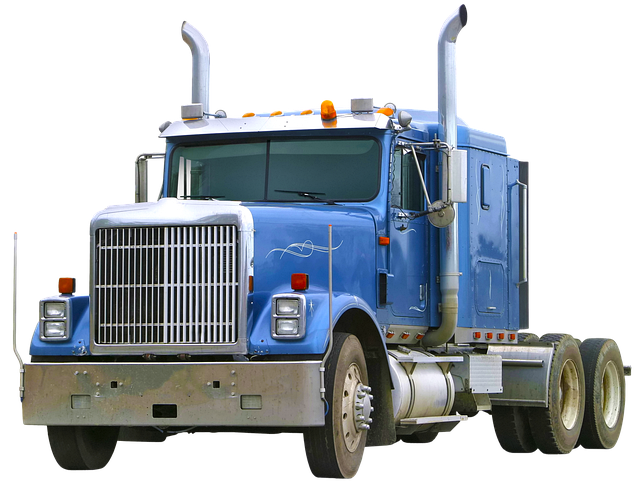
Choosing the right registration class is a crucial step when registering your car in California. The state’s Department of Motor Vehicles (DMV) categorizes vehicles into several classes based on factors like age, type, and use. Understanding these classifications ensures you pay the appropriate fees and receive the correct registration documents. For instance, classic cars over 25 years old often have simplified registration processes due to their historical significance. On the other hand, new or imported vehicles might require additional inspections, including a VIN inspection, to verify their authenticity and ensure they meet safety standards.
VIN verification is an essential aspect of this process, especially with modern technology making it easier than ever. Consider using a mobile VIN verifier for convenience. These apps or services allow you to quickly and accurately check your vehicle’s history, identify potential issues, and confirm its eligibility for registration. For example, a 2018 SUV might have undergone rigorous safety tests, and having access to its digital record via a mobile app can streamline the entire verification process, saving you time and potential headaches.
When preparing to pay the registration fees, be prepared for varying costs based on your vehicle class. Luxury vehicles or those with advanced features may carry higher fee tags. Proper VIN inspection prior to registration can help avoid unnecessary expenses by identifying any discrepancies early on. Remember, accurate documentation and timely verification are key to a smooth registration process in California.
Perform VIN Verification: A Crucial Step in the Process

The process of registering a car in California involves several crucial steps, ensuring compliance with state regulations. One often overlooked yet vital component is Vehicle Identification Number (VIN) verification. VIN verification serves as a critical foundation for any vehicle registration, providing essential data that authenticates the car’s history and identity. This meticulous process ensures that the vehicle is genuine, not stolen, and meets all necessary safety standards, thereby safeguarding both consumers and authorities.
In California, VIN verification typically involves an in-depth inspection conducted by a designated authority or a trusted mobile vin inspector. This inspection delves into various aspects of the vehicle’s history, including its manufacturing details, previous owners, and any reported accidents or damage. For instance, a mobile vin verifier can perform this service at your convenience, whether at home or work, using advanced technology to cross-reference the VIN with national databases. This real-time verification ensures that no discrepancies exist between the vehicle’s registration and its actual condition.
Data from studies indicates that proper VIN inspection reduces the risk of fraud by up to 75%. It also facilitates a smoother registration process, as any potential issues can be addressed proactively. For example, if the vehicle has been in an accident, this information will be revealed during the verification, allowing the owner to make informed decisions regarding repairs or replacement parts. By embracing mobile vin inspection services, California drivers can enjoy enhanced convenience and peace of mind, ensuring their vehicles are registered accurately and securely.
Submit Application and Receive Your California Registration Papers

After gathering your necessary documents and ensuring your vehicle meets all California requirements, it’s time to submit your application for a car registration. This crucial step will formalize your ownership and allow you to legally operate your vehicle within the state. The process involves completing an application form, providing essential details about your car, and submitting the required fees. Upon approval, the California Department of Motor Vehicles (DMV) will issue your registration papers—a physical document confirming your vehicle’s registration status.
A key aspect of this procedure is ensuring accurate Vehicle Identification Number (VIN) verification. This process confirms the authenticity of your vehicle’s identification number, which can be done through a mobile VIN verification service or during a standard DMV inspection. Mobile VIN inspection offers convenience by allowing you to verify your car’s details from anywhere, saving time and effort compared to traditional methods. By combining a thorough VIN inspection with your application submission, you enhance the accuracy of your vehicle’s registration, ensuring compliance with California regulations.
For instance, many mobile VIN verification services utilize advanced technology to cross-reference your VIN against state databases, checking for any discrepancies or outstanding issues related to ownership and safety standards. This proactive measure not only simplifies the registration process but also encourages responsible vehicle ownership. By integrating these modern verification methods, California’s DMV can streamline operations while maintaining a robust system for tracking vehicle history and ensuring road safety.
Registering a car in California involves understanding specific requirements, gathering essential documents, selecting the right registration class, and completing a critical step known as VIN verification. By diligently navigating these steps, you ensure compliance with state regulations. This process not only grants you legal authorization to operate your vehicle but also provides access to California’s extensive road network. Moving forward, remember the importance of VIN verification as it serves as a cornerstone in the registration procedure, ensuring the authenticity and tracking capabilities of your vehicle.